

石榴籽·同心圆 | 锡伯族:从戍边勇士到箭乡骄子


他们,是一个以“骑射”闻名、以“忠诚”为魂的民族——锡伯族。人口虽不足二十万,却用万里迁徙与世代坚守,书写了一段融合家国情怀与民族特色的动人史诗。
They are an ethnic group famed for their “horsemanship and archery”and bound by “loyalty”as their core
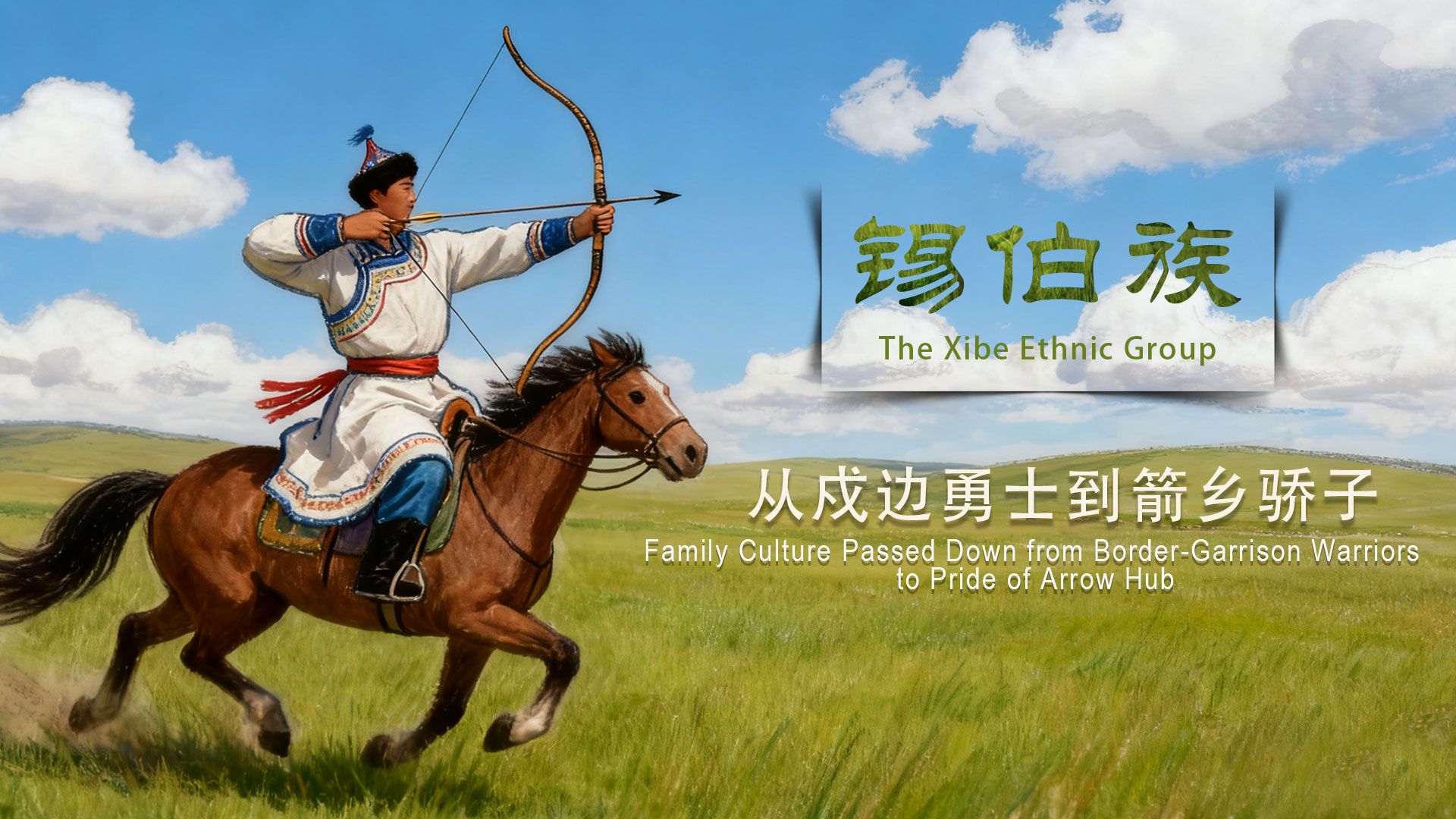
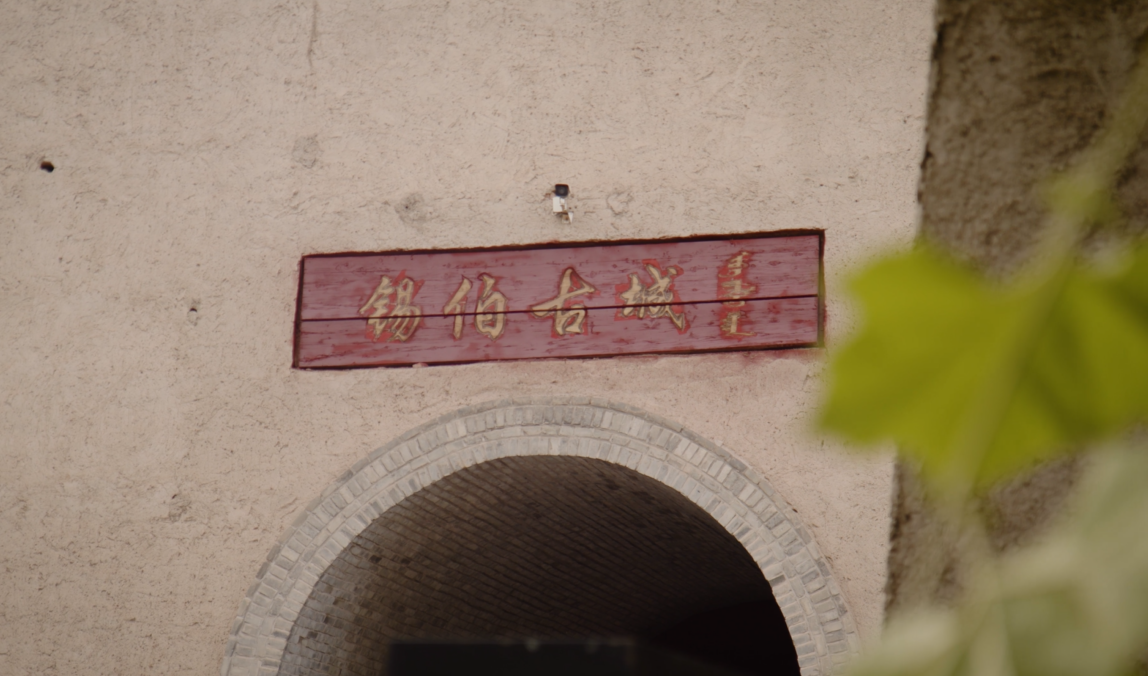
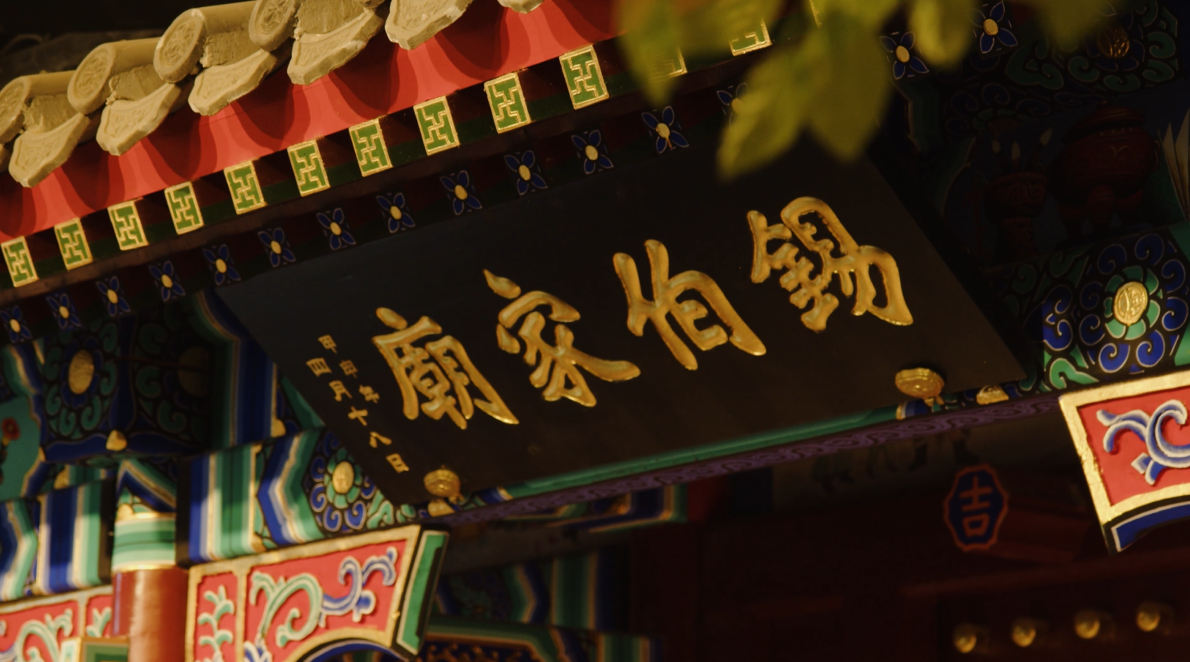
明末清初,锡伯族被编入八旗,成为戍边的重要力量。当时新疆地广人稀,伊犁地区土地荒芜,边防空虚。1764年,四千余名锡伯族军民肩负国家使命,在沈阳“锡伯家庙”太平寺辞别族人,踏上漫漫西迁之路。弓箭一路相伴,经过一年三个月的风雨兼程,终于抵达新疆伊犁。
In the late Ming and early Qing dynasties, the Xibe people were incorporated into the Eight Banners system, emerging as a vital force in defending the nation's frontiers. Back then, Xinjiang was sparsely populated; the Ili region, in particular, lay barren, with its border defenses thinly stretched. In 1764, over 4,000 Xibe soldiers and civilians answered their country's call. They bid farewell to their kinsfolk at Taiping Temple – known as the “Xibe Family Temple”– in Shenyang, and set out on an arduous westward march. Bows and arrows never left their side as they trekked through wind and rain; after a year and three months of hardship, they finally reached Ili in Xinjiang.
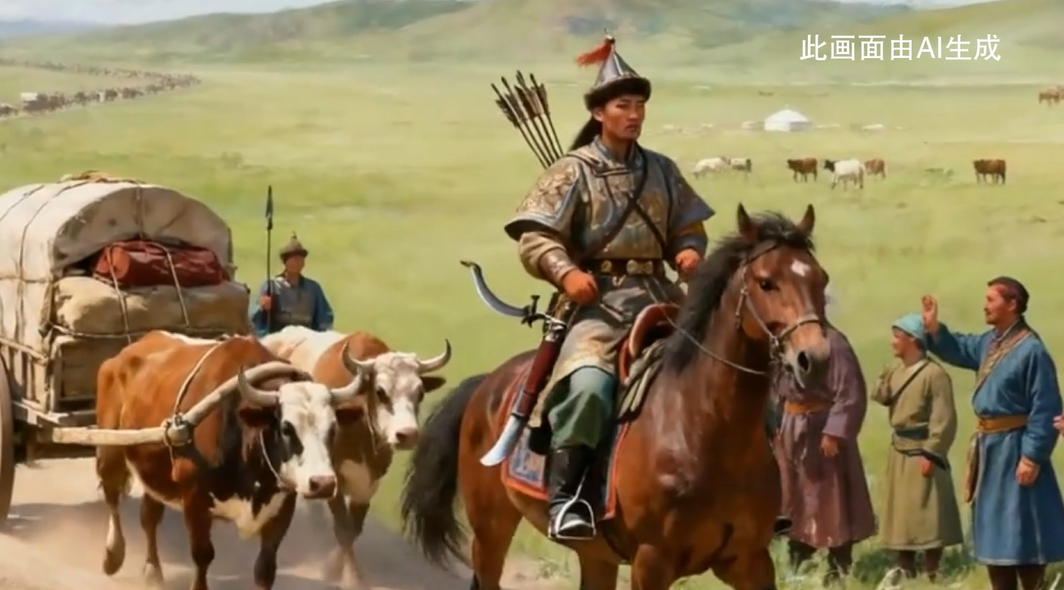
锡伯族官兵凭借精湛的骑射技艺,驻守军事要塞,为维护祖国尊严和领土完整立下赫赫战功。他们在伊犁安家落户后,挖渠垦荒,扩大生产。自此,锡伯族形成了东北、新疆两地分居的格局,“西迁精神”也在岁月中深深扎根。
Armed with exceptional horsemanship and archery skills, the Xibe officers and soldiers guarded strategic military strongholds, earning distinguished merits in upholding national dignity and territorial integrity. Once settled in Ili, they dug canals, reclaimed wasteland, and expanded agricultural production. From that point on, the Xibe people formed a scattered settlement pattern, with communities in both northeast China and Xinjiang. Over time, the spirit of the westward migration for country took deep root in their culture.
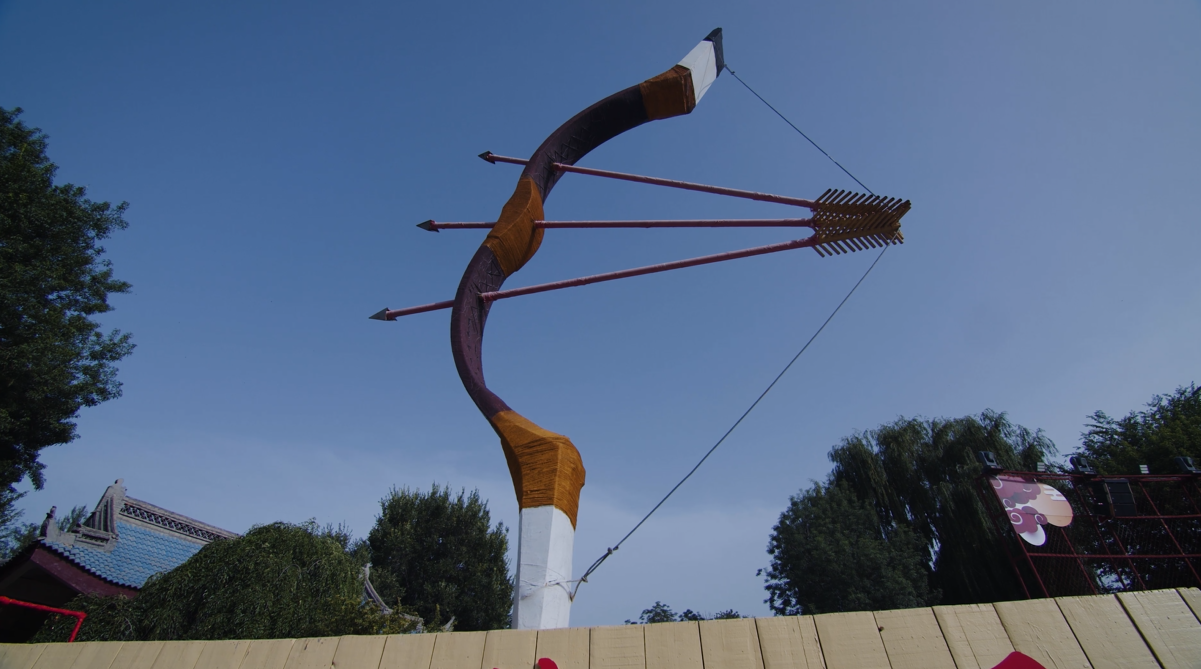
在渔猎与戍边的岁月里,弓箭是保家的武器,也是生存的工具。如今,新疆察布查尔锡伯族自治县被誉为“中国箭乡”。“五平三靠”的技法规范里,蕴藏着锡伯族人对精准与沉稳的追求。从六七岁孩童的启蒙习射,到赛场上屡创佳绩的专业选手,射艺的传承从未间断。更令人自豪的是,锡伯族射箭健儿多次征战国际赛场,在世界杯、亚运会等赛事中奋勇拼搏,将民族的射艺风采与国家荣誉紧密相连,让“箭乡骄子”的美名远扬海外。
In eras defined by fishing, hunting, and border defense, bows and arrows were more than weapons for protecting their families – they were tools for survival. Today, Qapqal Xibe Autonomous County in Xinjiang is celebrated as China's arrow hub.
The technical principles of “Five Levels and Three Leans”encapsulate the Xibe people's pursuit of precision and composure. Archery is passed down unbroken: children as young as six or seven begin learning it as a formative skill, while professional athletes continue to excel in competitions. What fills them with even greater pride is that Xibe archers have competed on international stages time and again – fighting with grit at events like the World Cup and the Asian Games. They have tied the ethnic art of archery closely to national honor, spreading the fame of the “pride of the arrow hub”far beyond China's borders.
与射艺共同传承的,还有锡伯族人精湛的制弓修箭技艺,选材、熬胶、绷弦……每一道工序都凝聚着匠心。一把传世弓箭,让东北与新疆的锡伯儿女共享同源的文化记忆。
Alongside the art of archery, the Xibe people have also preserved their exquisite craftsmanship in bow-making and arrow-repair. From selecting materials and boiling glue to stringing the bow – every step is a labor of ingenuity. A single heirloom bow and arrow serves as a link, letting Xibe descendants in both northeast China and Xinjiang share the cultural memory of their common origins.
从戍边到竞技,从沙场到赛场,锡伯族的弓箭精神一脉相承。弦无虚发,指向的不只是赛场的靶心,更是一个民族不忘来路、砥砺前行的方向。
From defending the border to competing in sports, from the battlefield to the arena – the Xibe people's bond with the bow and arrow has been passed down without interruption. Hitting the target without a single miss points not only to the bullseye on the field, but also to the path of an ethnic group that never forgets its roots and marches forward with resolve.

客户端中查看

手机中查看
分享